Mid-Eastern Brown Bear

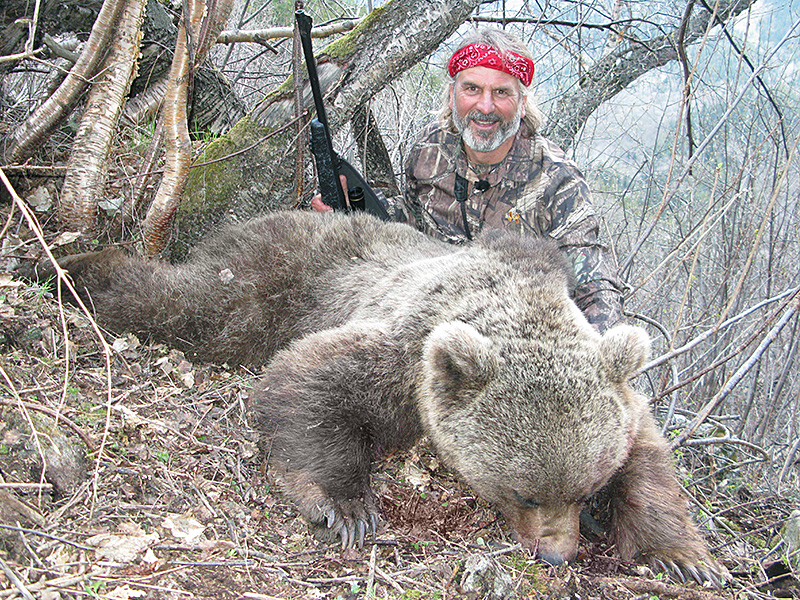
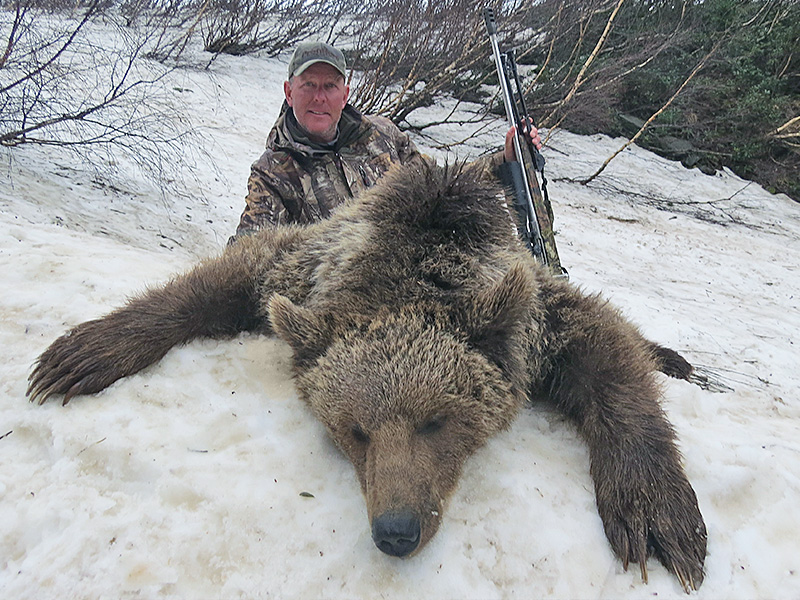
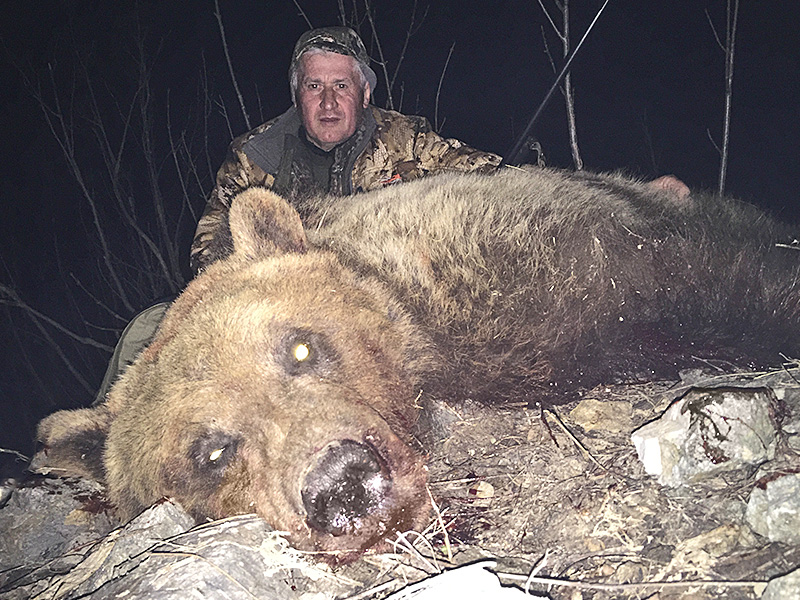
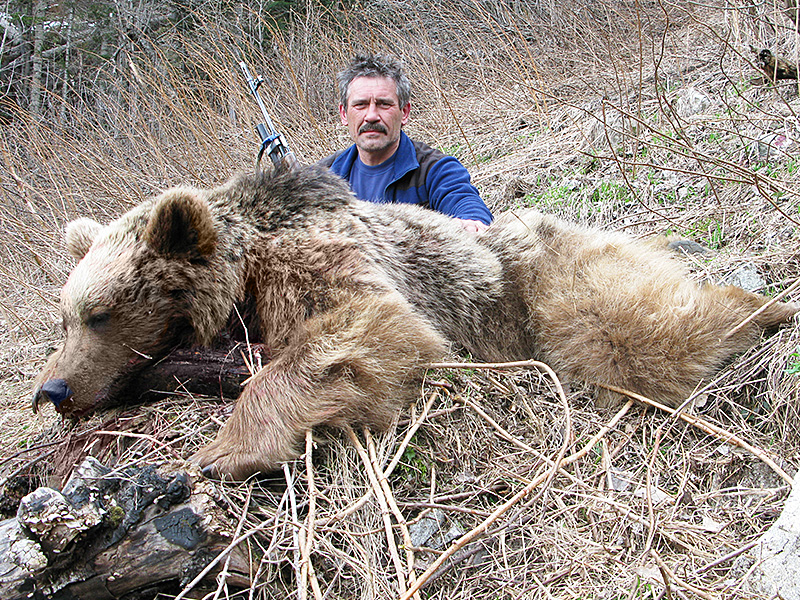
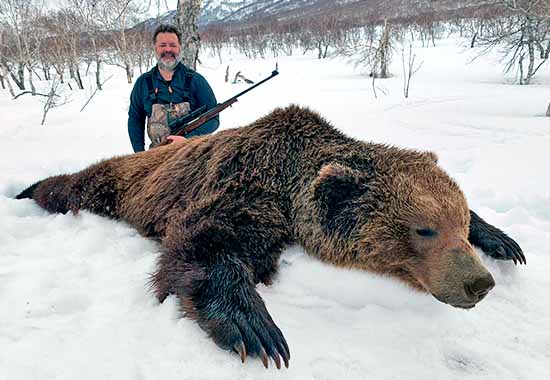
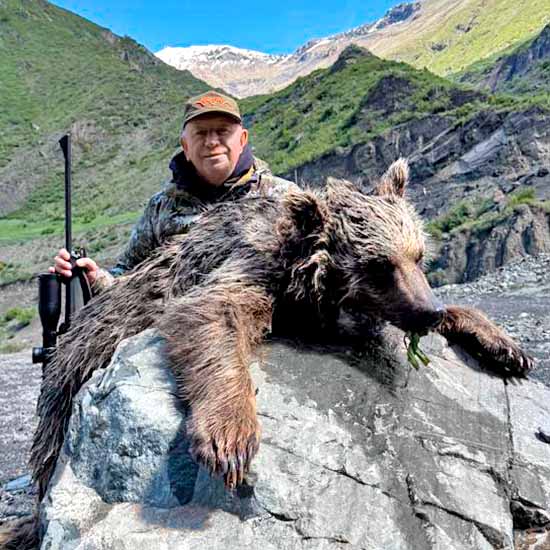
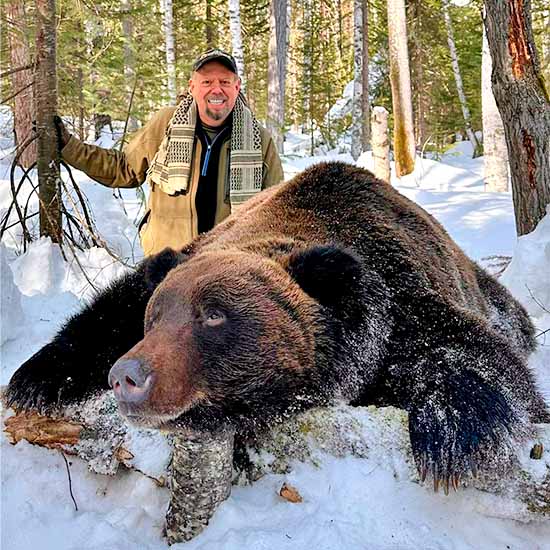
Mid Eastern brown bear is one of the smallest subspecies within the brown bear group, although brown bears overall remain the second-largest bear species after polar bears.
Adult males typically have skulls measuring approximately 30–40 cm. The fur is usually light brown to straw-colored, with a distinctive longer hair growth on the withers. This area often has a grey-brown base and may appear as a darker stripe running across the back in some individuals.
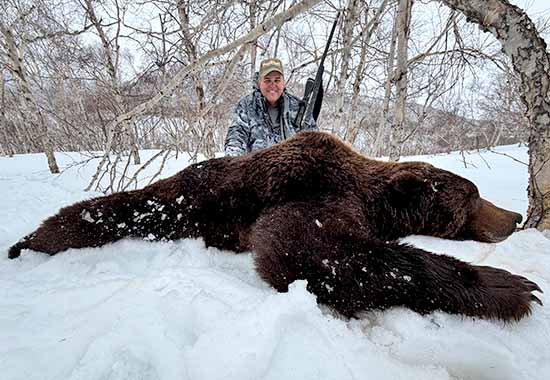
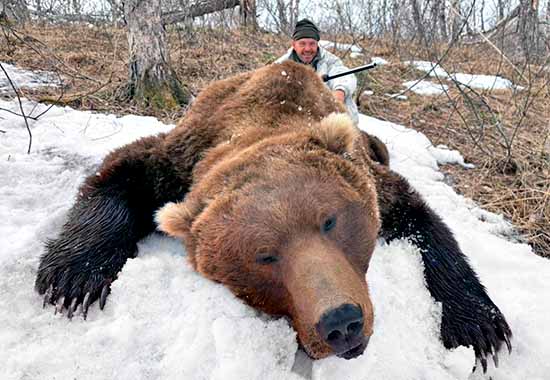
Bears from the central and western parts of the region can appear darker and larger in size due to overlapping ranges with Eurasian brown bears, which has led some naturalists to suggest possible hybrid populations between Eurasian and regional brown bear lineages.
● Unique regional brown bear population
A smaller but highly distinctive brown bear population with varied coloration and morphology.
● Diverse hunting methods
Combination of spot-and-stalk and bait hunting depending on terrain and conditions.
● Mountain wilderness environment
Hunting takes place in rugged mountain landscapes with steep terrain and dense forest zones.
● Flexible hunting structure
Adapted approach depending on bear movement patterns and seasonal food availability.
● Authentic regional experience
Remote mountains and traditional hunting conditions provide a true field experience.

You will fly to Moscow, where our crew will meet you upon arrival, assist with customs procedures, and transfer you to a hotel for an overnight stay.
The following morning, you will continue with a domestic flight to Makhachkala. The flight duration is approximately three hours.

● April 20 – November 30

Mid Eastern brown bear hunting uses a combination of spot-and-stalk and baiting techniques, depending on terrain and seasonal conditions.
In mountainous areas, hunters glass slopes and forest edges to locate bears, followed by carefully planned approaches on foot. In other zones, bait stations are used to increase efficiency and predictability of encounters.
This hunt requires patience and field observation rather than extreme physical endurance, although mountain terrain can still be demanding.

A traditional hunting cabin located in the hunting area. While simple, it provides basic comfort, warmth, and essential facilities required for the duration of the hunt.

Weather varies significantly depending on altitude and period of the season:
● Spring (April–May): 40–60°F (5–15°C) daytime, 30–40°F (−1 to 5°C) nighttime