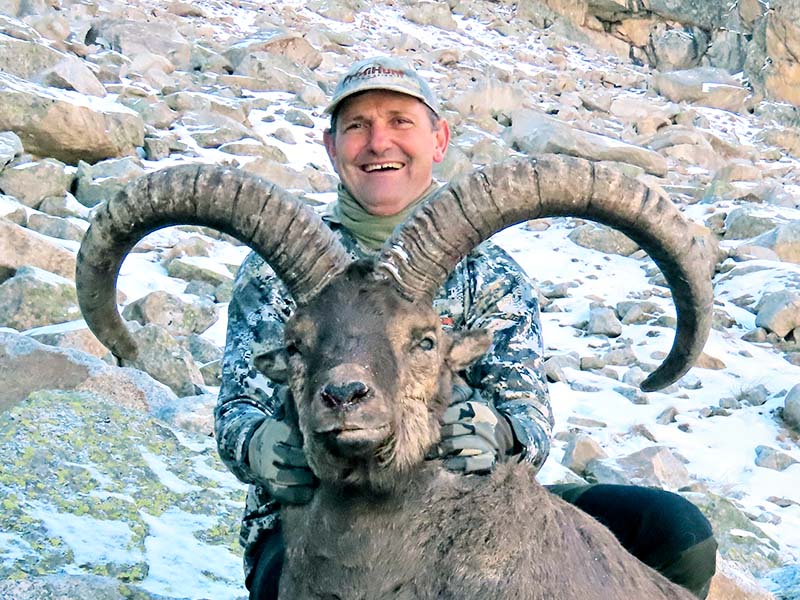
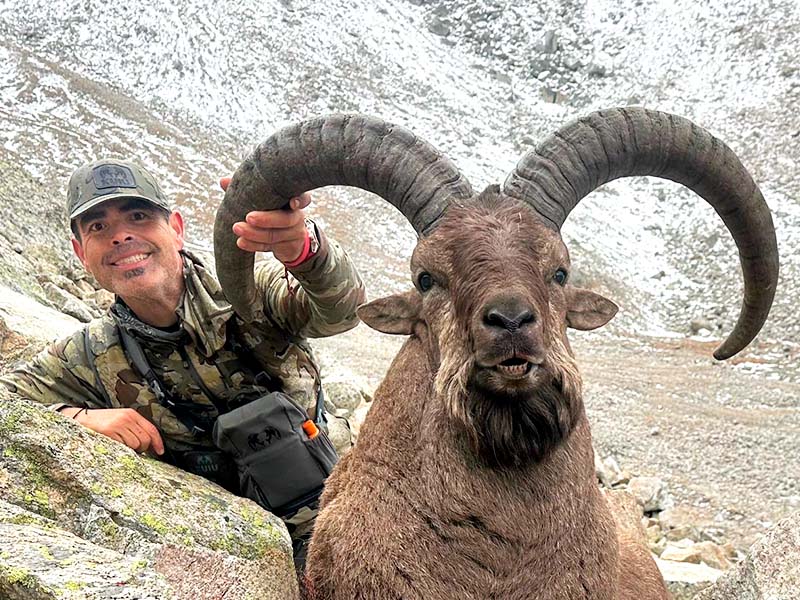
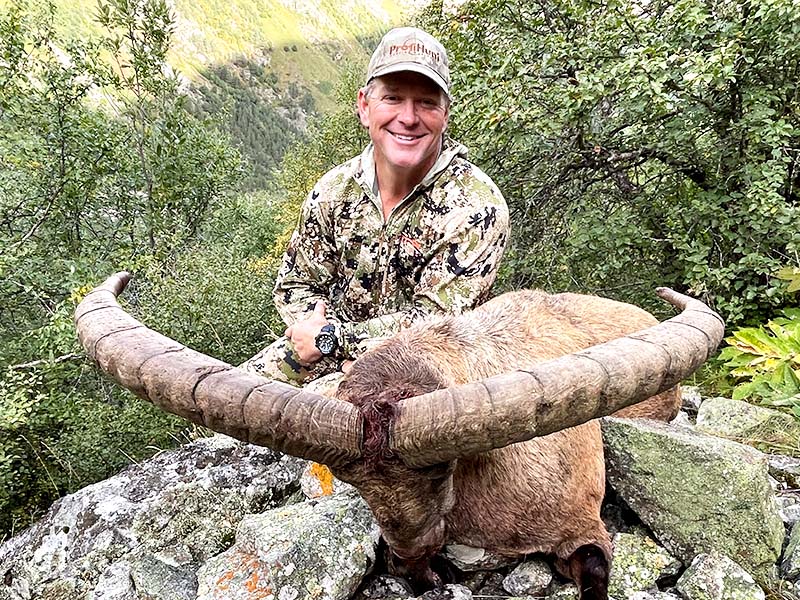
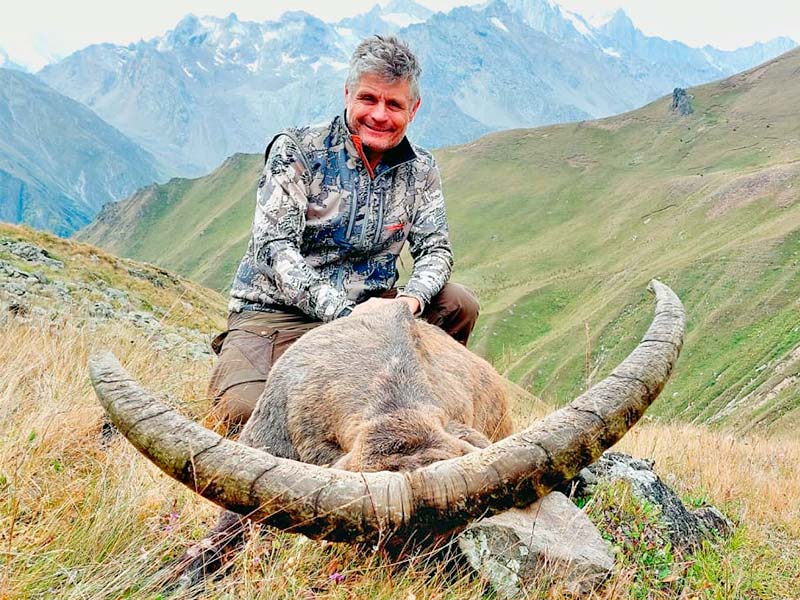
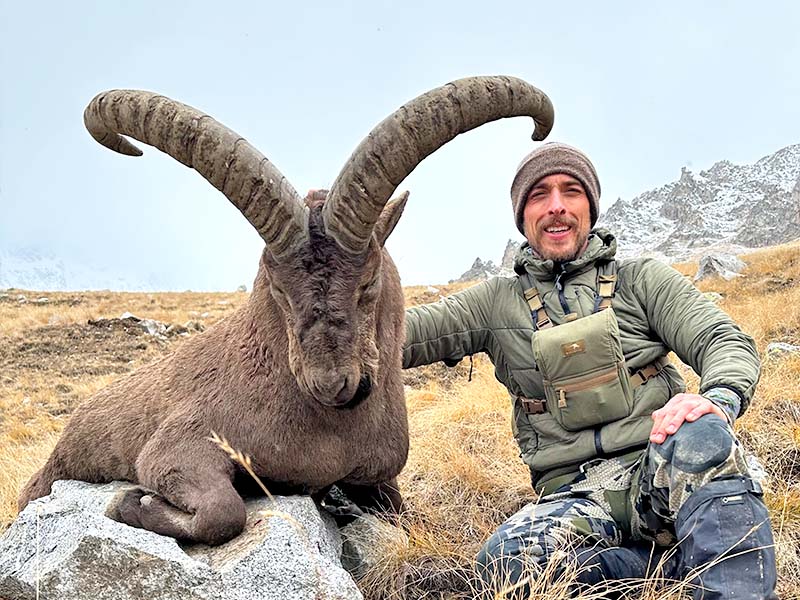
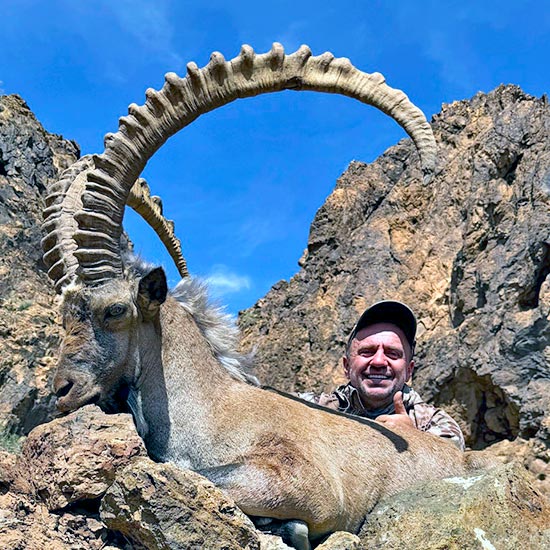
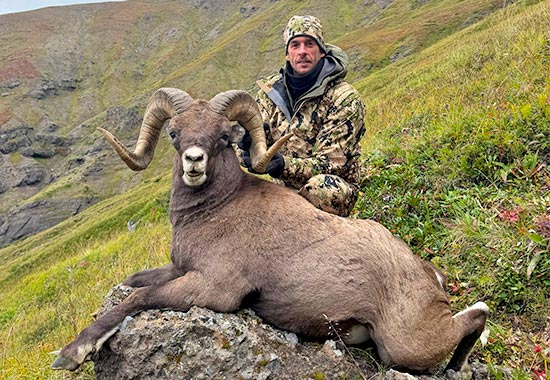
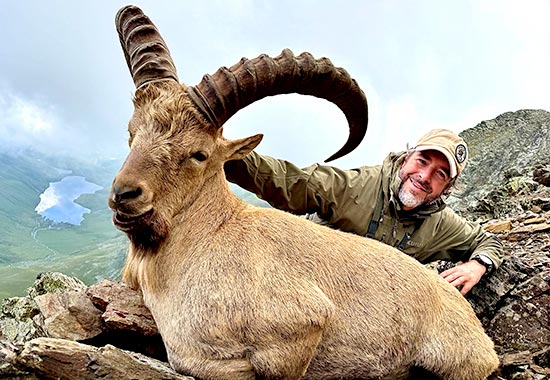
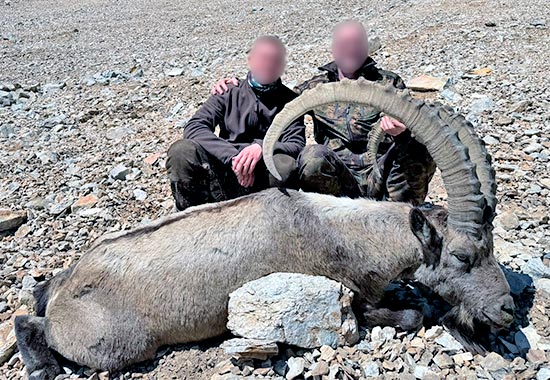
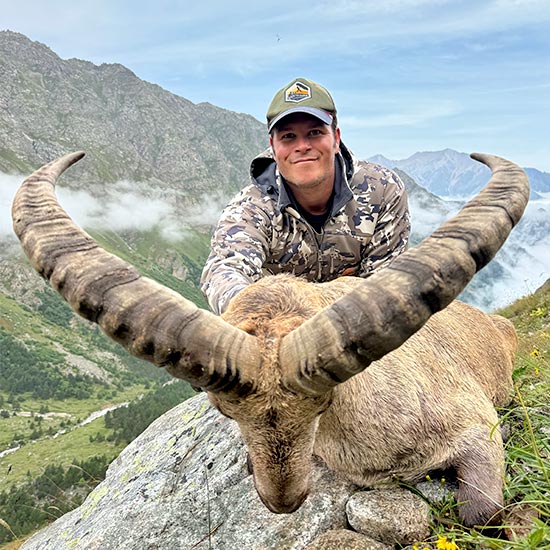
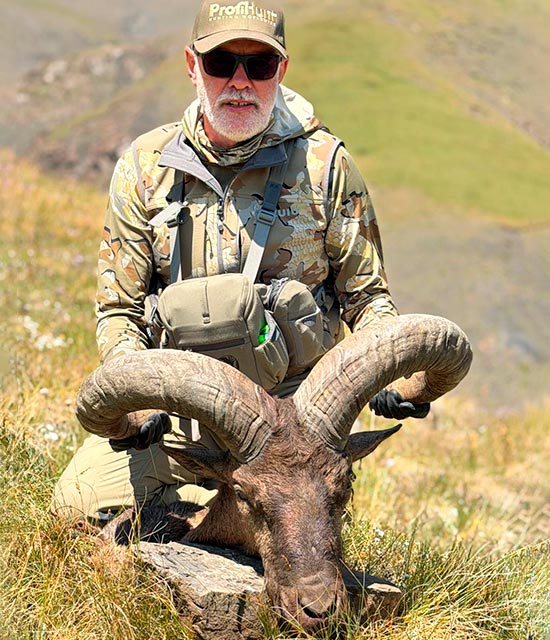
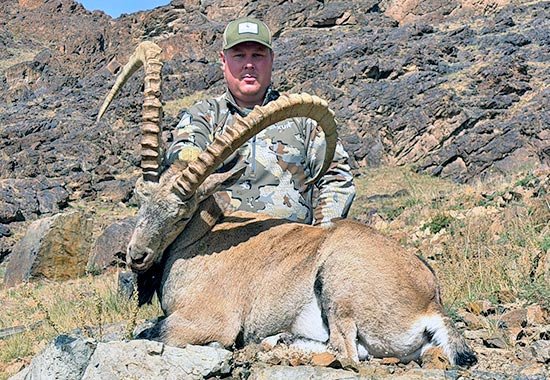
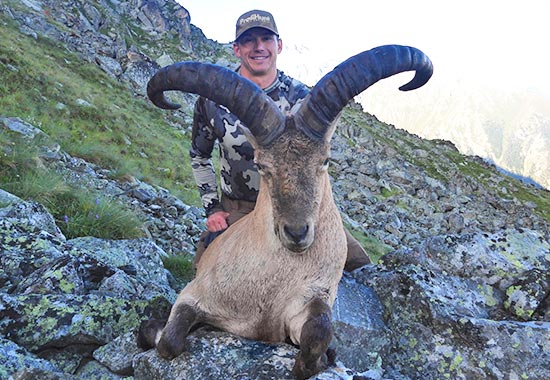
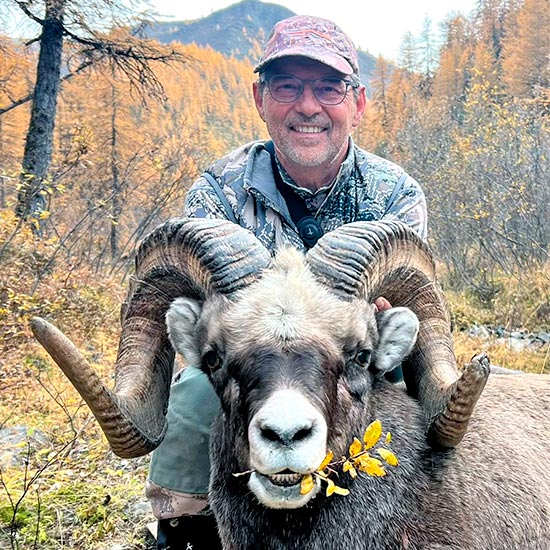
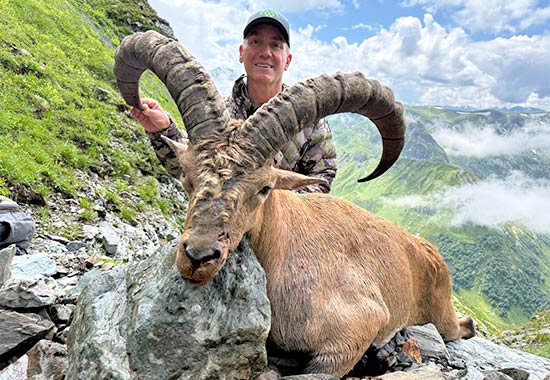
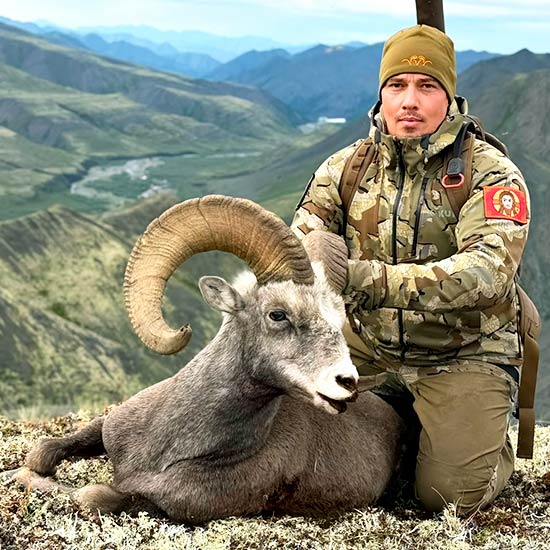
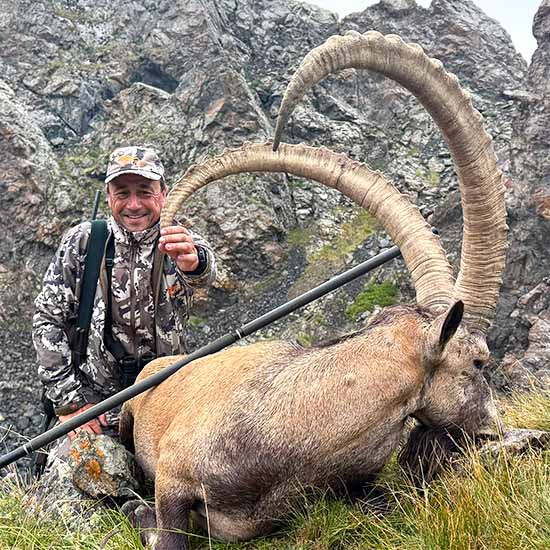
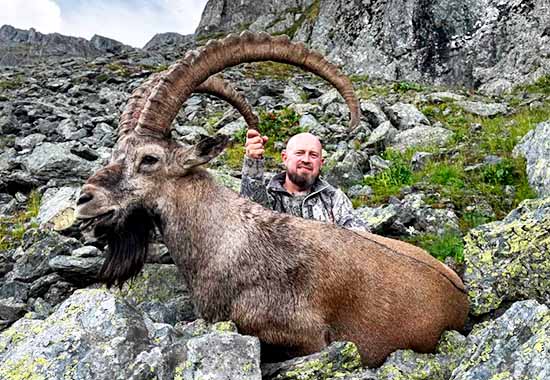
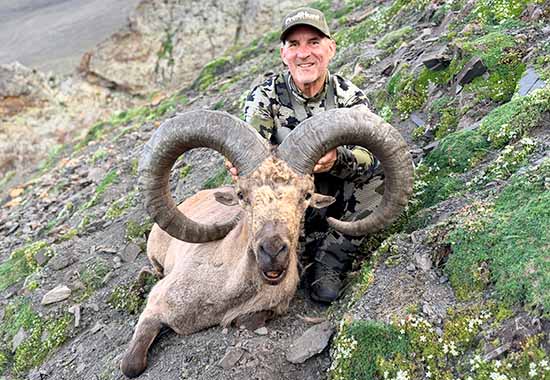
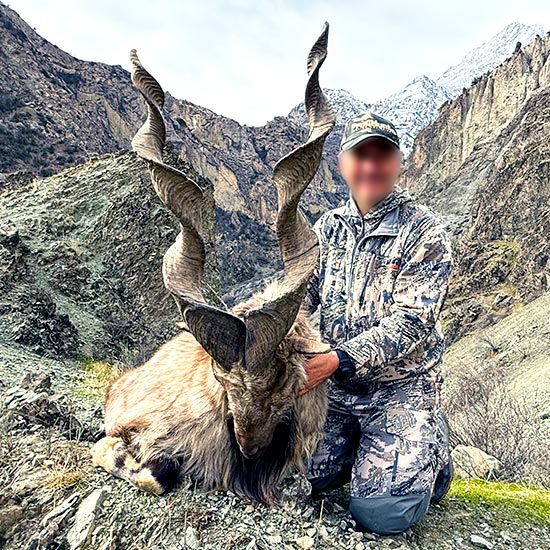
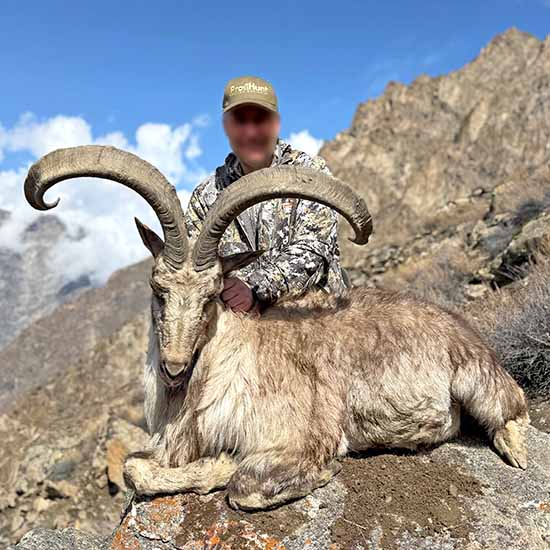
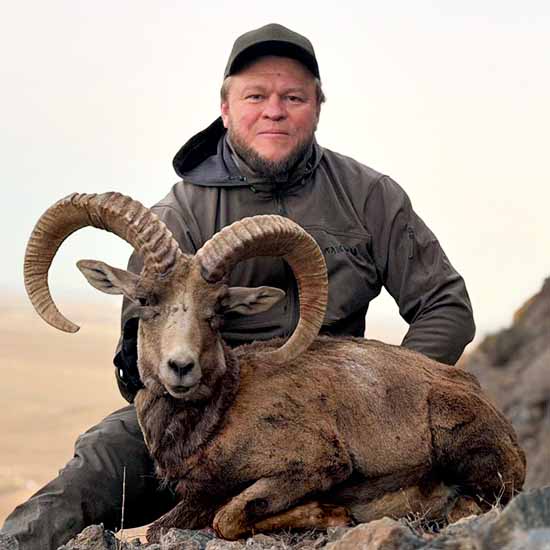
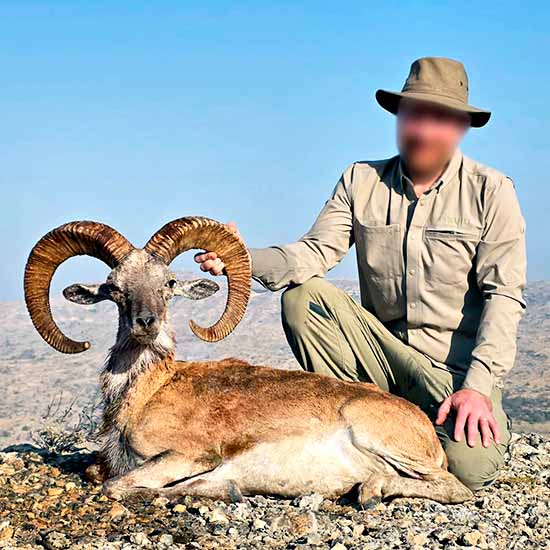
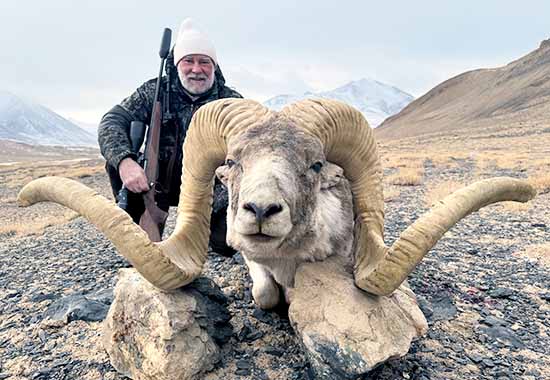
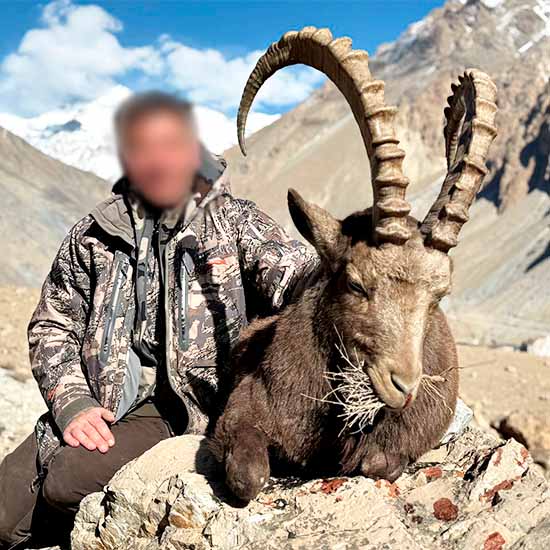
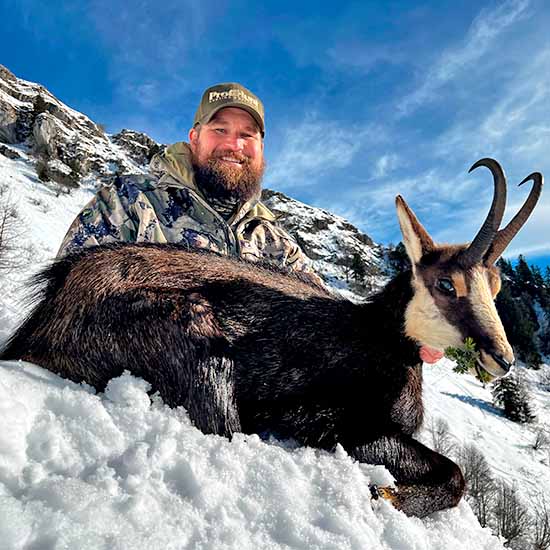
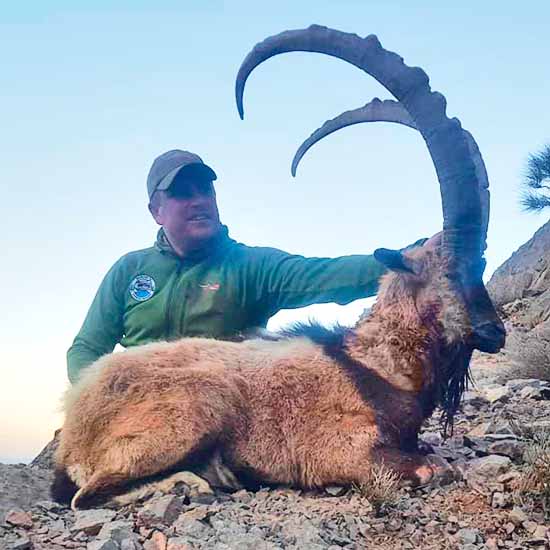
Mid-caucasian Tur

The Mid-Caucasian Tur lives in some of the most remote and difficult-to-access areas of the Caucasus Mountains in Russia.
Steep slopes, rocky ridges, and unpredictable weather make this hunt both physically demanding and highly rewarding. For many hunters, it is a true test of endurance and skill, as well as a rare opportunity to pursue one of the most iconic mountain species in the region.
Hunting typically begins from fly camps located high in the mountains. In most areas, this is a backpack-style hunt, and horses are rarely available.
This is a true mountain hunt in remote and rugged terrain. Tur can be found at elevations of around 9,000 feet (2,700 meters), as well as in lower forested areas at approximately 7,000 feet (2,100 meters).
Temporary tent camps are usually set up at around 8,000 feet (2,400 meters), allowing hunters to stay close to the animals. Each day involves hiking, glassing, and carefully planning your approach.
Once a suitable trophy is located, the final stalk is done on foot, often in steep and challenging conditions. Good physical fitness and endurance are essential for success.

You will first fly to one of the Moscow International Airports, where our team will meet you, assist with customs procedures, and transfer you to your hotel.
The following morning, you will take a domestic flight to Mineralnie Vody. The flight takes approximately three hours.

The hunting season runs from August 1 to November 30.

This hunt is recommended for hunters who are in very good physical condition and ready for a true mountain challenge. It is considered as one of the most demanding hunts in the Caucasus region.

Accommodation is basic and designed for remote mountain conditions. You will stay in simple hunting houses and tented camps.
Spike camps are used frequently during the hunt, so you should be prepared for modest and functional living conditions.

Weather conditions in the mountains can change quickly and vary greatly between day and night due to altitude and nearby glaciers.
Mountains always has a self-climate: any type of weather turmoil like rain, snow or mist could occur anytime.
• From August to mid-September, daytime temperatures range from 25–27°C (77–80°F), with nighttime temperatures of 2–5°C (35–40°F).
• From mid-September to October, daytime temperatures drop to 10–15°C (50–59°F), with nighttime temperatures between -5 and -10°C (15–23°F).
• November: daytime highs 0–5°C (32–41°F), nighttime lows −10 to −5°C (14–23°F)
Snow is possible at higher elevations starting in early September.