Dagestan tur

The Dagestan (Eastern) Tur inhabits steep and remote parts of the eastern Caucasus Mountains. These areas are known for their landscapes, deep valleys, and rocky ridgelines.
This species is considered one of the most prestigious mountain trophies. Combined with the challenging terrain and a limited number of tags, it makes for a truly rewarding and memorable hunting experience.
• Rare and exclusive opportunity
Currently, Dagestan (Eastern) Tur hunting is available only in Russia, making this a unique chance to pursue a limited and highly sought-after species.
• One of the most challenging mountain hunts
This hunt is ideal for experienced hunters looking for a true physical and mental challenge in steep, rugged terrain.
• Prestigious trophy
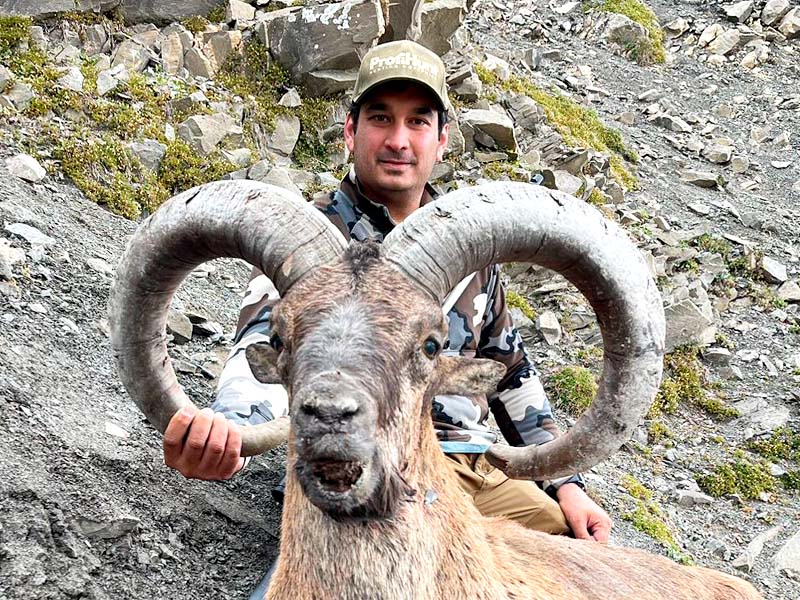
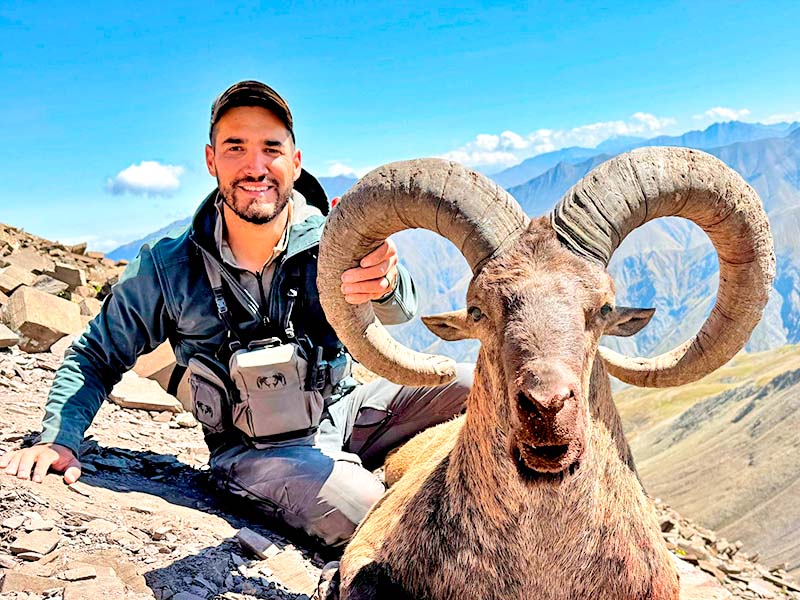
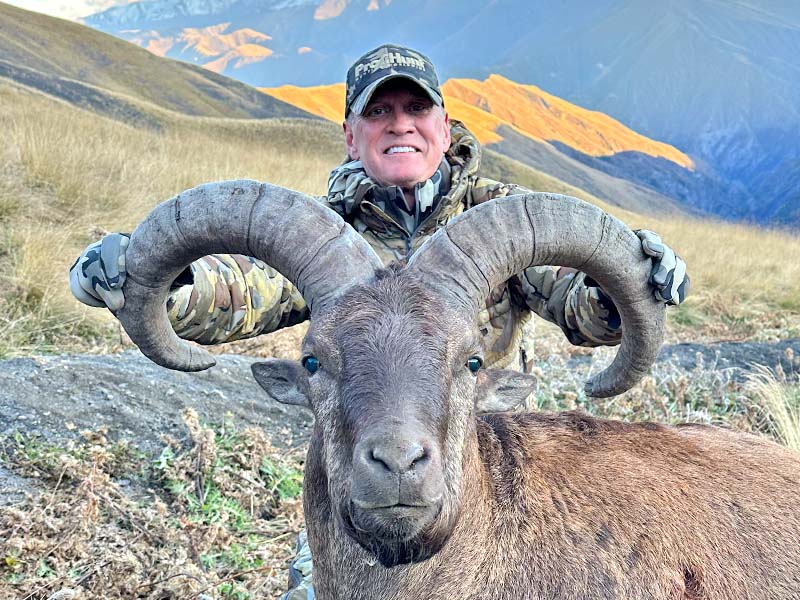
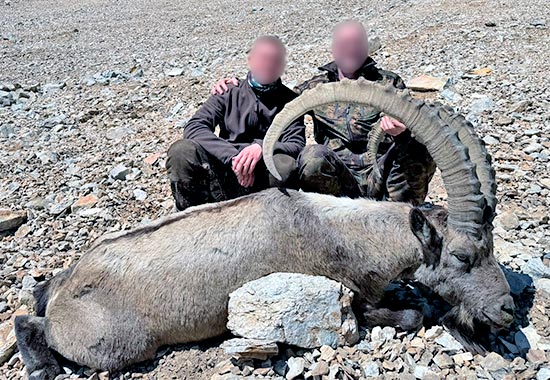
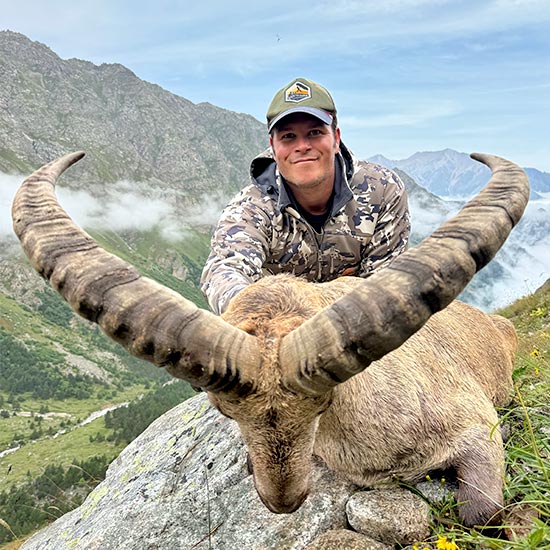
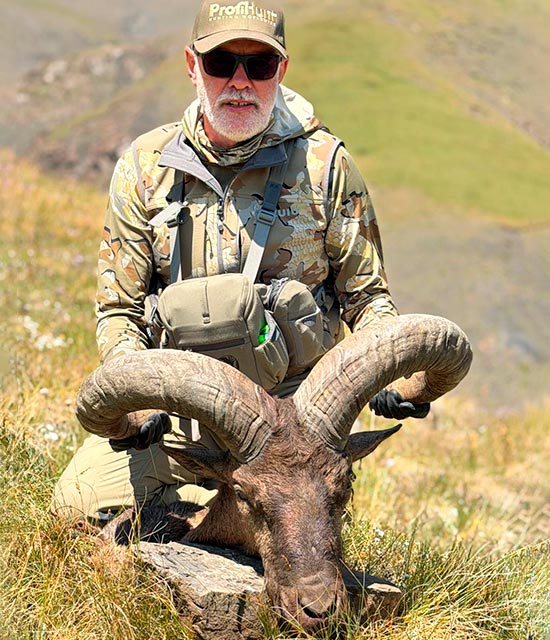
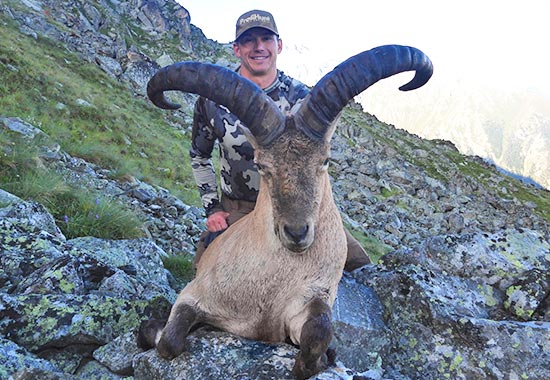
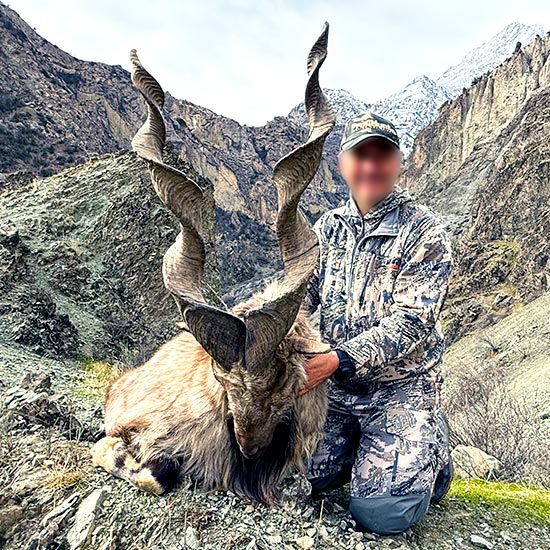
The Dagestan Tur is an important addition to both the Ovis and Capra World Slams and is recognized for its distinctive, beautifully curved horns.
• Authentic mountain experience
You will hunt in remote areas of the Caucasus Mountains, using traditional spot-and-stalk methods combined with spike camps for better access to game.
• Professional organization
Our experienced team handles all logistics, from arrival to departure, ensuring a smooth and well-coordinated hunting trip.
Dagestan (Eastern) Tur hunting is a true challenge and is considered as one of the most demanding mountain hunts. It is best suited for hunters who are in good physical condition and ready for steep and rugged terrain.
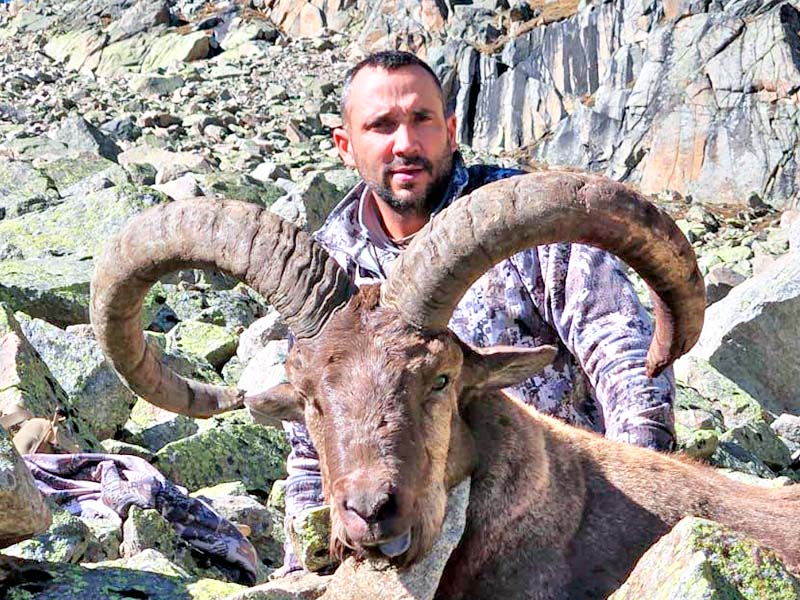
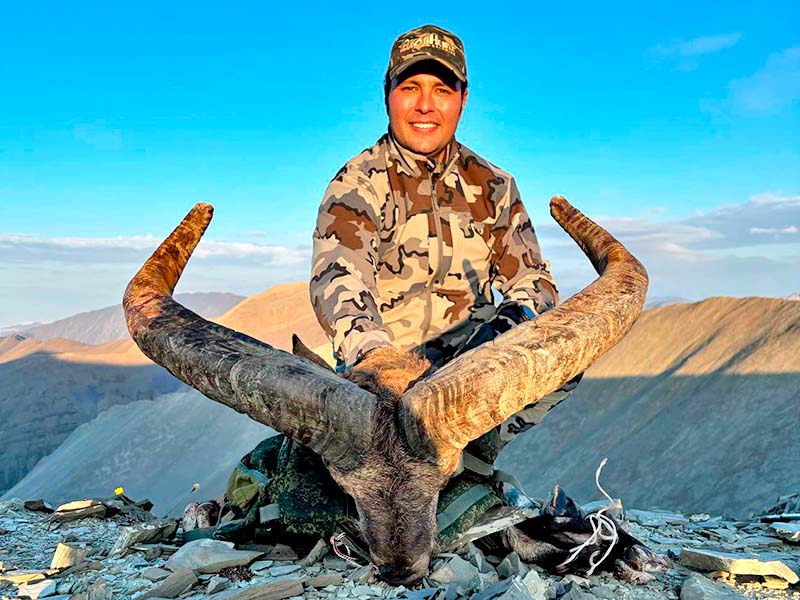
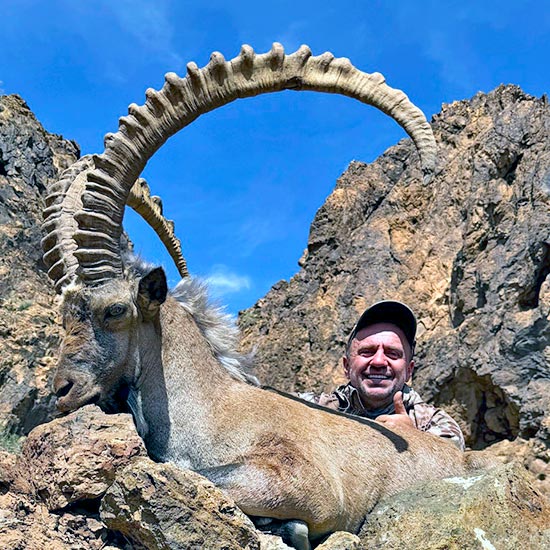
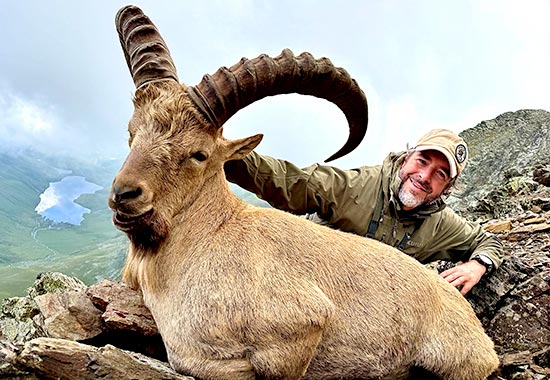
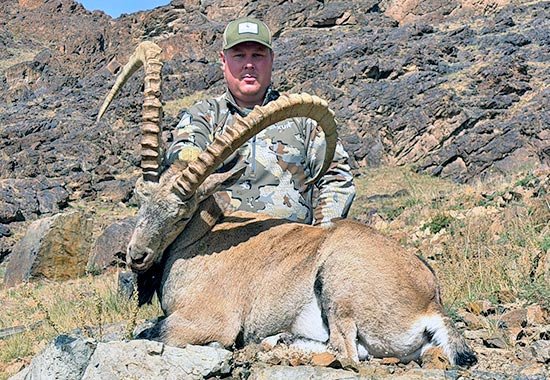
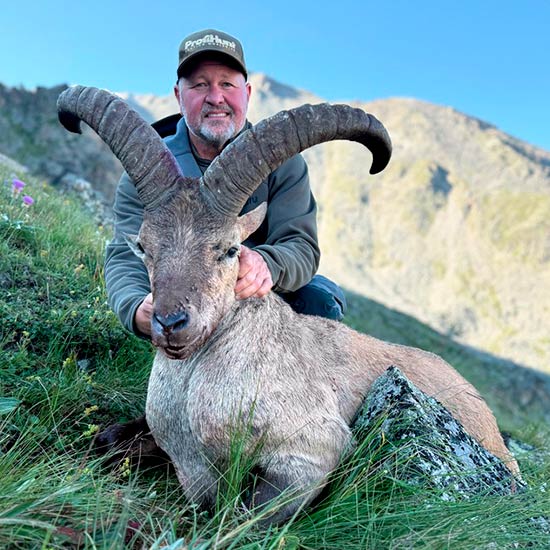
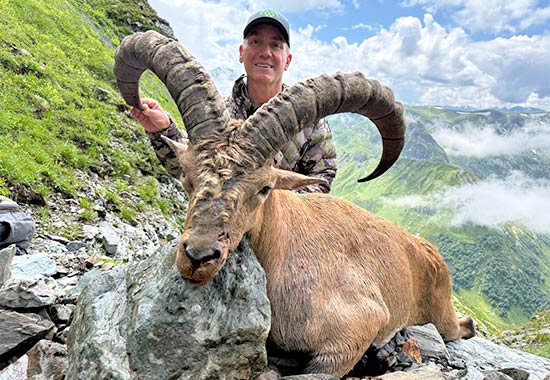
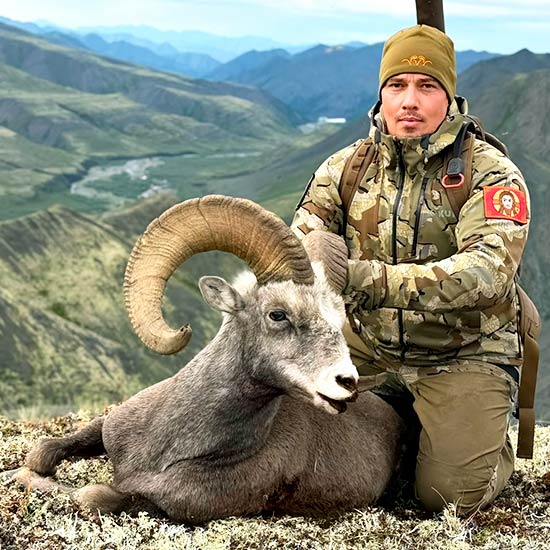
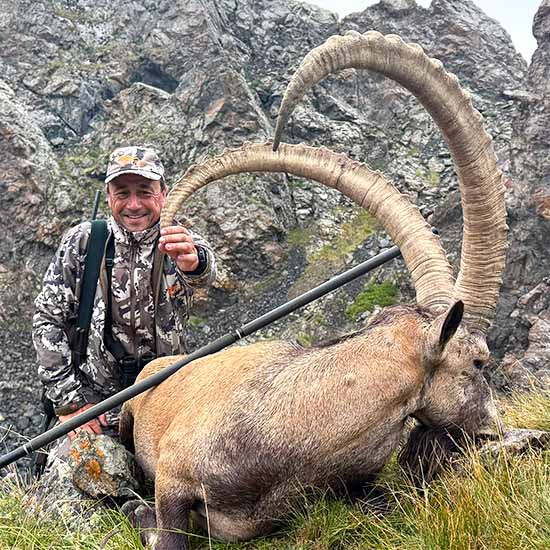
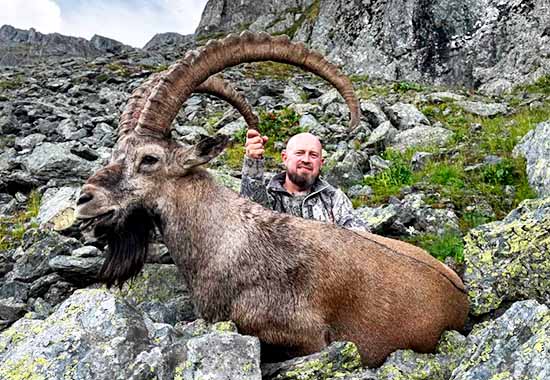
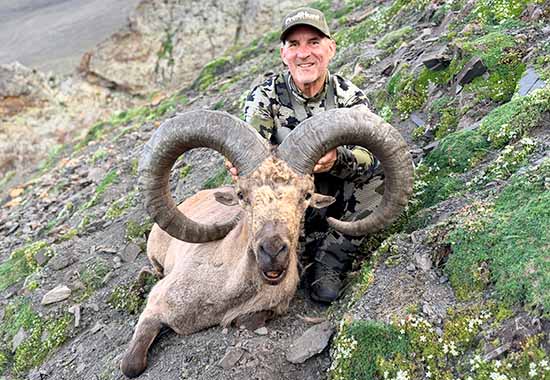
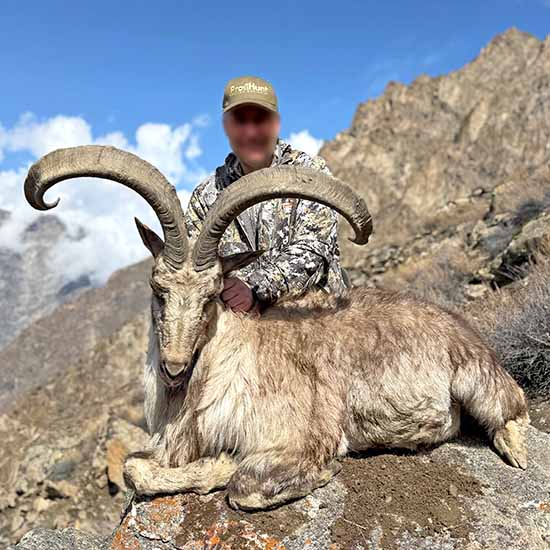
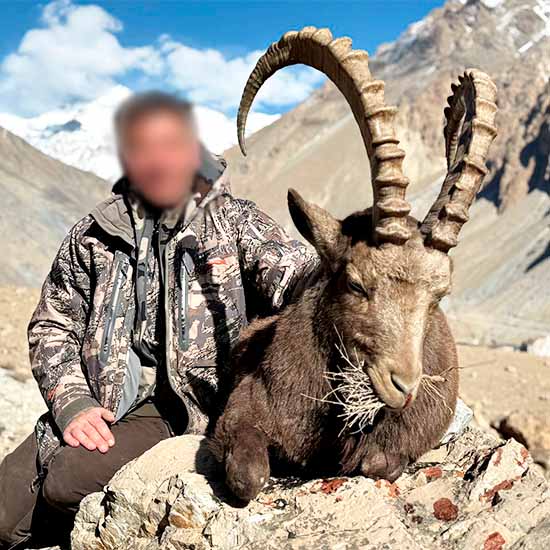
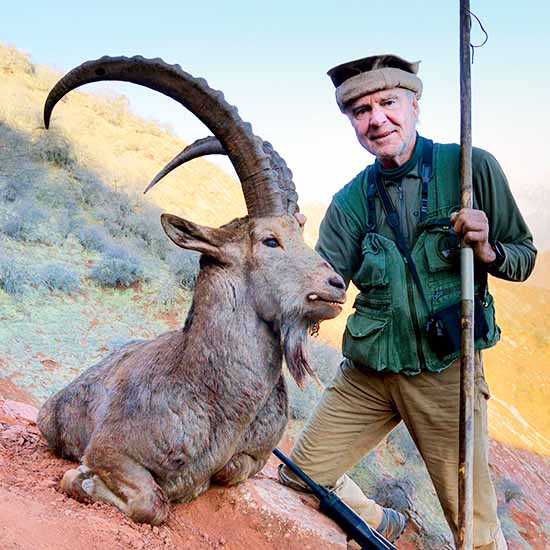
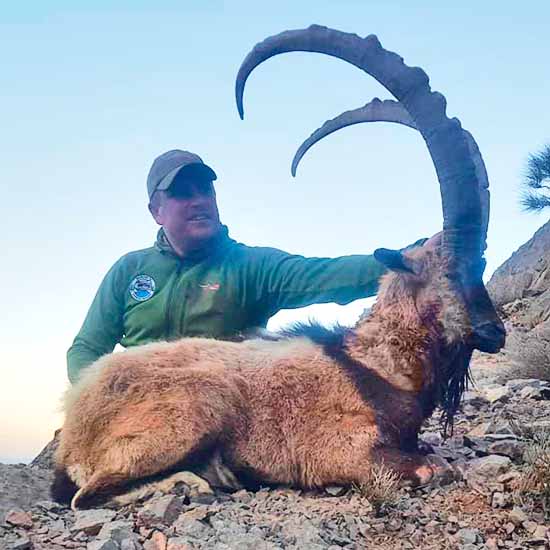
The Dagestan Tur is a highly valued trophy and counts toward both the Ovis and Capra World Slams. It is known for its distinctive, strongly curved horns — smoother and more rounded than those of other Tur species, giving it a unique and recognizable appearance.
At present, hunting for Dagestan (Eastern) Tur is available only in Russia, making it a rare and exclusive opportunity. We organize this hunt in the Republic of Dagestan.

You will first fly to Moscow, where our team will meet you at the airport, assist with customs procedures, and transfer you to your hotel.
The next morning, you will take a domestic flight to Makhachkala. The flight takes three hours. From there, you will continue by ground transport to the hunting area.

The hunting season runs from August 1 to November 30.

This is a classic spot-and-stalk hunt conducted in true mountain conditions. The terrain is steep, remote, and physically demanding.
Spike camps are used extensively to reduce long vertical climbs and to position hunters closer to specific areas where animals are located. Most mature trophy animals inhabit remote and hard-to-reach regions.
In the Republic of Dagestan, horses are being used to access the fly camp, which helps covering distance before continuing the hunt on foot.
Each day typically involves glassing large mountain areas, planning stalks, and carefully approaching the animals. The final approach is always done on foot and may require significant climbing.
Good physical fitness and endurance are essential for a successful hunt.
Accommodation is simple and adapted to remote mountain conditions. You will stay in basic hunting houses as well as tented camps.
Spike camps are used frequently during the hunt, so you should expect modest but functional living conditions.

Simple hunting houses and tent camps. Spike camps are used intensively. You should expect quite modest conditions.

Weather is generally sunny, but occasional rain and fog can occur, especially in the mountains. Conditions can change quickly.
• In August, daytime temperatures range from 25–27°C (77–80°F), with nighttime temperatures of 10–14°C (50–57°F).
• From September to October, daytime temperatures are around 10–15°C (50–59°F), with nighttime temperatures dropping to -5 to -10°C (15–23°F).
• November, daytime temperatures are around 0 °C (32 °F) nighttime temperatures dropping to
-10 to -15°C (15–5°F).