Chukotka moose in Kamchatka

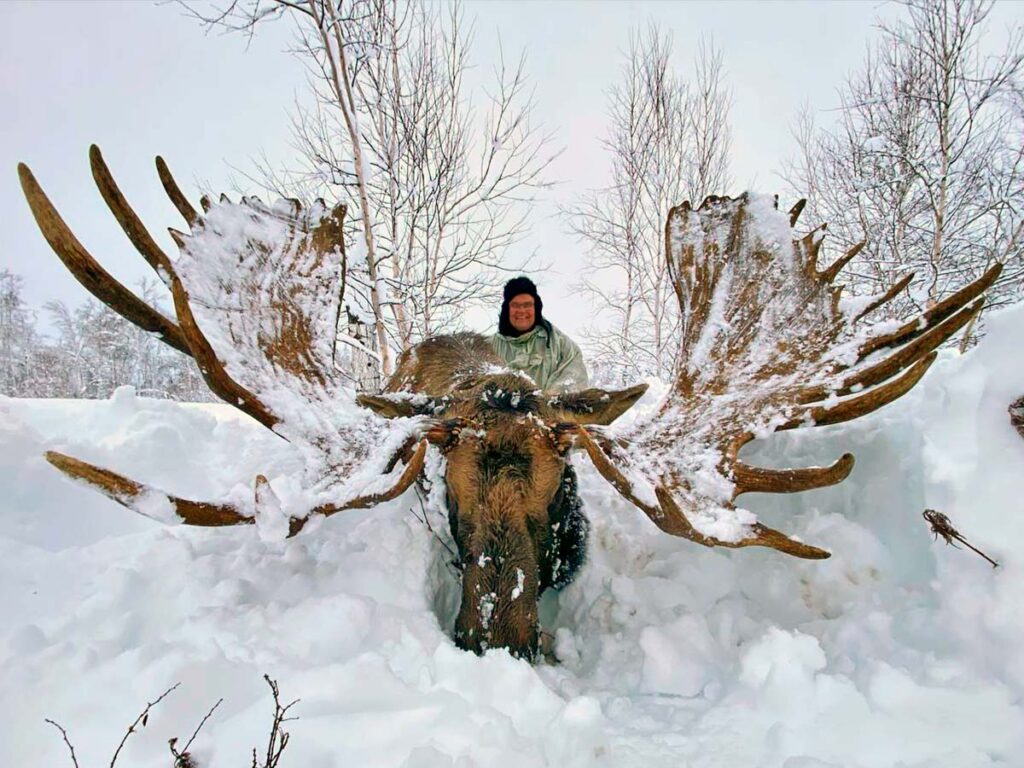
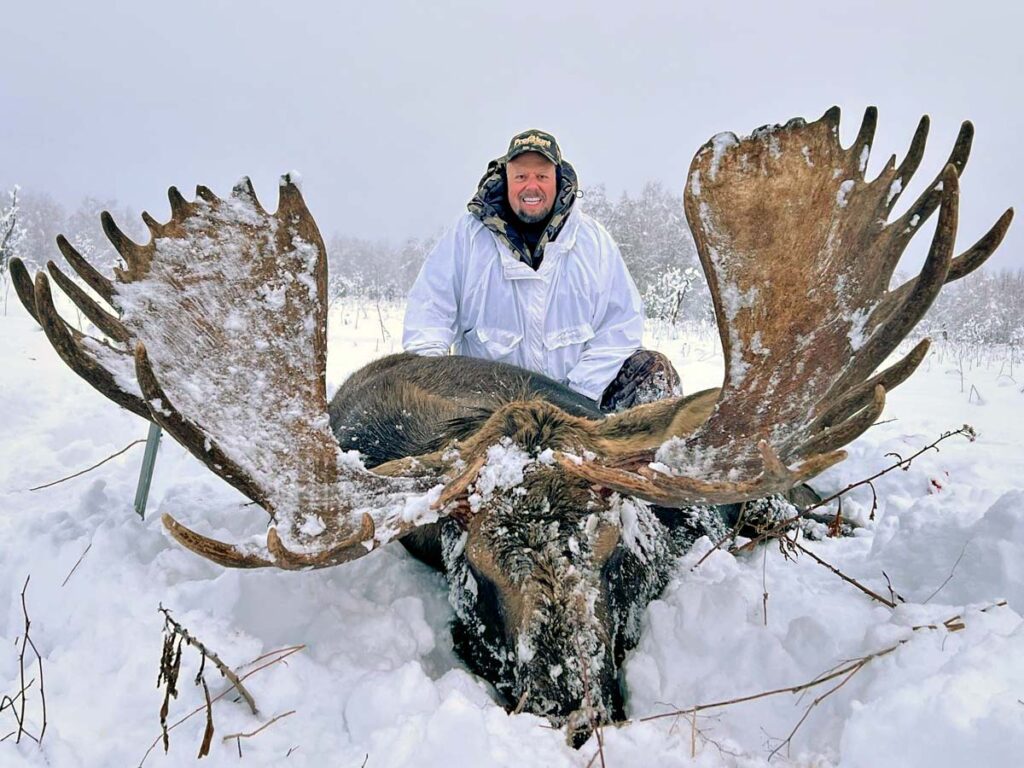
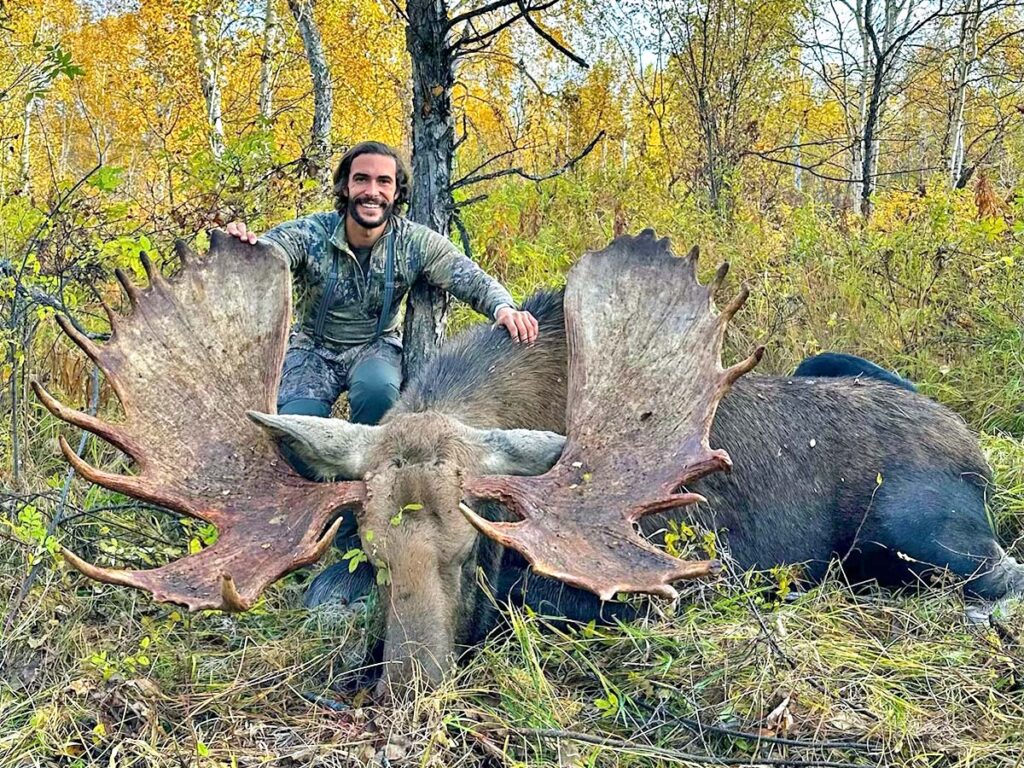
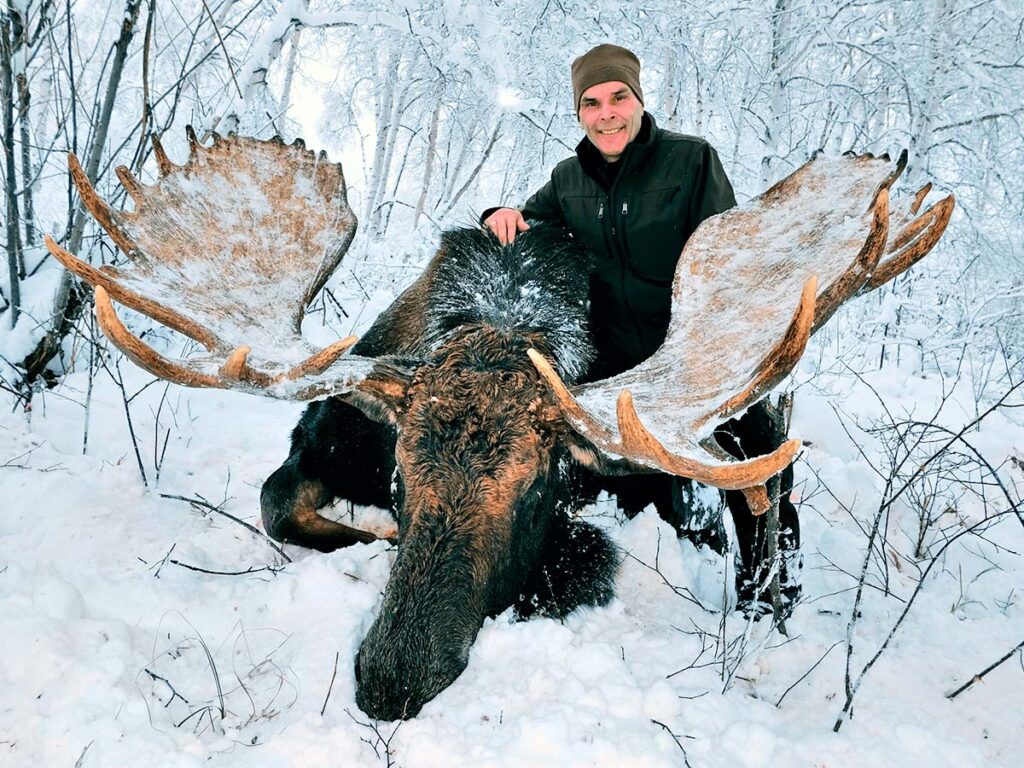
The Chukotka (Kamchatka) Moose is the largest antlered animal in the world, making it a coveted trophy for hunters. Their massive antlers and impressive size make this hunt both a physical challenge and a spectacular adventure amidst the unspoiled landscapes of Kamchatka.
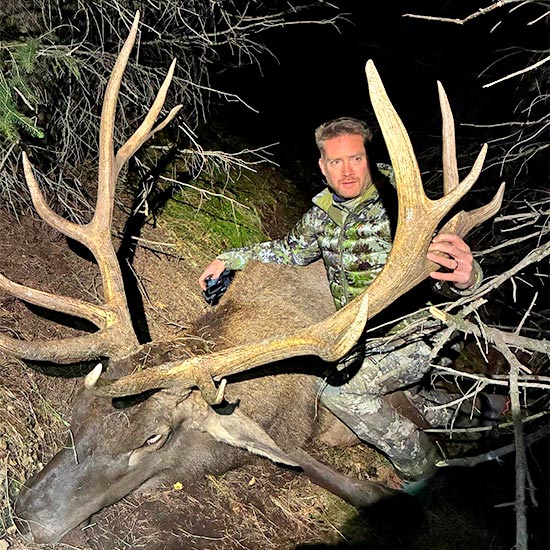
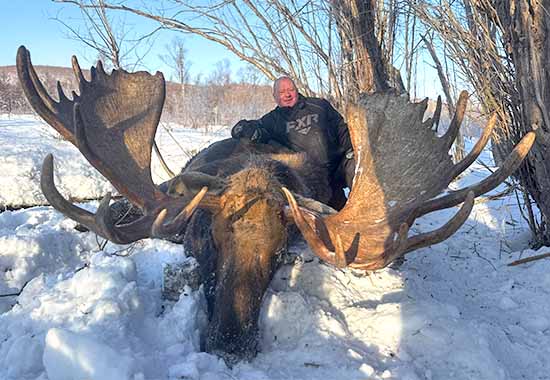
Our Chukotka (Kamchatka) Moose hunting takes place in the central part of the Kamchatka Peninsula, one of the most remote and scenic wilderness regions in Russia. Moose here are truly impressive, often larger than expected, with antler spreads averaging 59-61 inches (150 – 155 cm). Exceptional bulls each year reach 70–72 inches (178–183 cm) with antler weights up to 100 pounds (55 kg).
Hunting Chukotka Moose offers an unforgettable wilderness adventure in one of the most beautiful and pristine regions of Russia. Whether tracking bulls through dense forests or across open valleys, this hunt combines challenge, scenery, and the thrill of harvesting a massive trophy.
• Massive trophies
Chukotka Moose are the largest antlered animals in the world, with exceptional bulls exceeding 70 inches in spread and 100-pound antlers.
• High success rates
ProfiHunt maintains 100% success in winter hunts
• Spectacular landscapes
The central Kamchatka Peninsula features mountains, rivers, forests, and pristine wilderness, creating a breathtaking backdrop for your hunt.
• Professional support
Experienced guides, interpreters, and camp staff ensure safety, logistics, and comfort throughout the hunt.
• Immersive Russian wilderness
This hunt is not just about the trophy—it’s about experiencing one of the most remote and beautiful regions on Earth.

The most reliable way to reach Petropavlovsk-Kamchatsky is via Moscow. Upon arrival, our representative will meet you, assist with customs, and transfer you to your hotel.
Next, we assist with your domestic flight to Petropavlovsk (non-stop, approx. 9 hours). Upon arrival, you are transferred to the hunting camp for the start of your adventure.

• Winter (snowmobile): November 20 – January 10

During winter, the hunt is conducted using snowmobiles to cover vast distances in search of large bulls. You ride in a sledge behind the guide, who drives the snowmobile, before switching to foot, snowshoes, or skis for the final stalk.

Camps consist of wooden cabins, equipped with stoves, portable cots, and generator sets. Each camp has a cook and an interpreter to ensure comfort and assistance throughout your stay.
Despite the remote location, all accommodations are clean, warm, and functional, allowing you to focus entirely on the hunt while enjoying basic comforts in the wild.

• November–December: Daytime -20 to -5°C (-4 to 15°F), nighttime -25 to -20°C (-15 to -8°F)
Expect variable weather conditions, including frost, snow, rain, and rapidly changing temperatures. Being prepared for extreme conditions is essential for this remote wilderness hunt.